
Why Substation Design Has Reached an Inflection Point
At the SDSIC conference last month, SBS CEO Al Eliasen delivered a keynote focused on the pressures reshaping the utility industry and why substation design workflows must evolve to keep pace.
His message was clear: the industry is not experiencing a temporary surge in work. It is entering a fundamentally different phase of grid expansion.
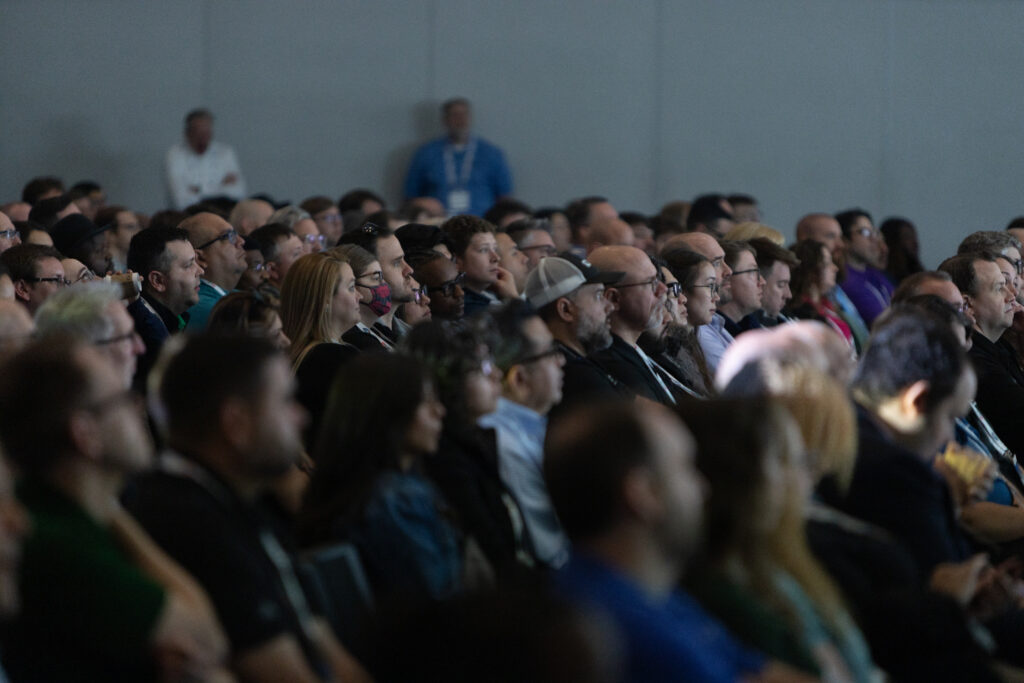
“I don’t think it’s just a busy time,” Eliasen said. “I don’t think it’s a market trend that’s going to change. But I think it’s genuinely an inflection point.”
That inflection point is being driven by several forces at once: electrification, EV adoption, renewable generation, AI and data center growth, extreme weather resilience, and aging infrastructure modernization.
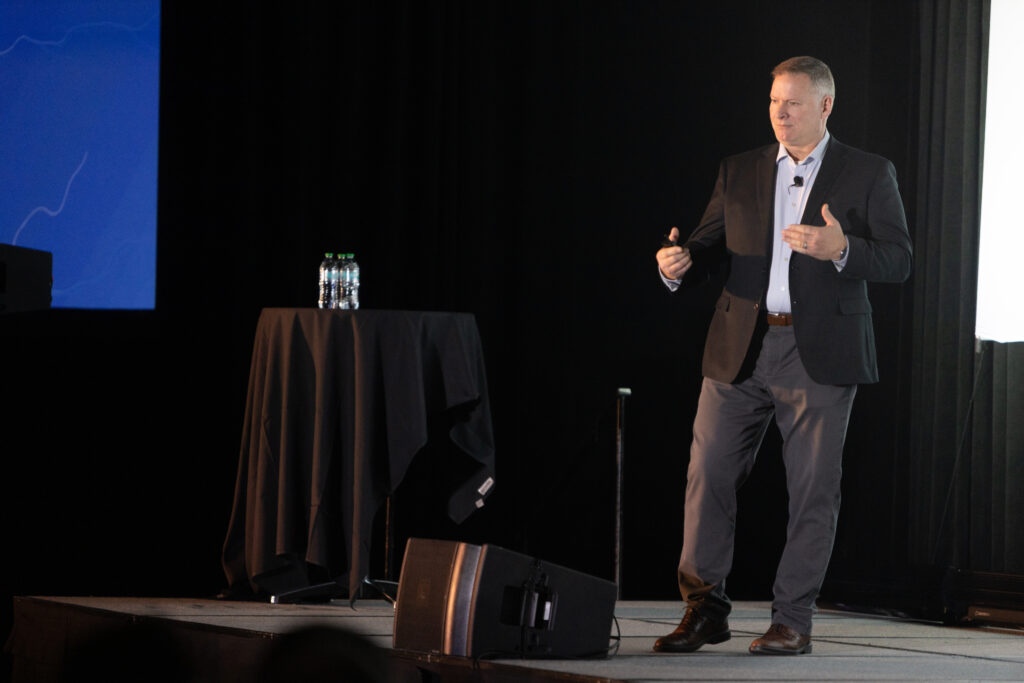
“The fact is we don’t have just one of those,” Eliasen explained. “The fact is we have all of those and all of those are happening at once.”
At the same time, utilities and engineering firms are facing growing workforce shortages as experienced engineers retire and demand for new infrastructure accelerates.
“There’s more work to do than we could do it,” Eliasen said. “There’s not enough people to hire. So we have to switch gears.”
A major theme of the keynote was the need to move beyond siloed 2D design workflows toward BIM-native collaboration built specifically for utility engineering.
Eliasen compared the current state of substation design to the building industry before BIM transformed how architects, engineers, and contractors collaborated inside shared 3D environments.
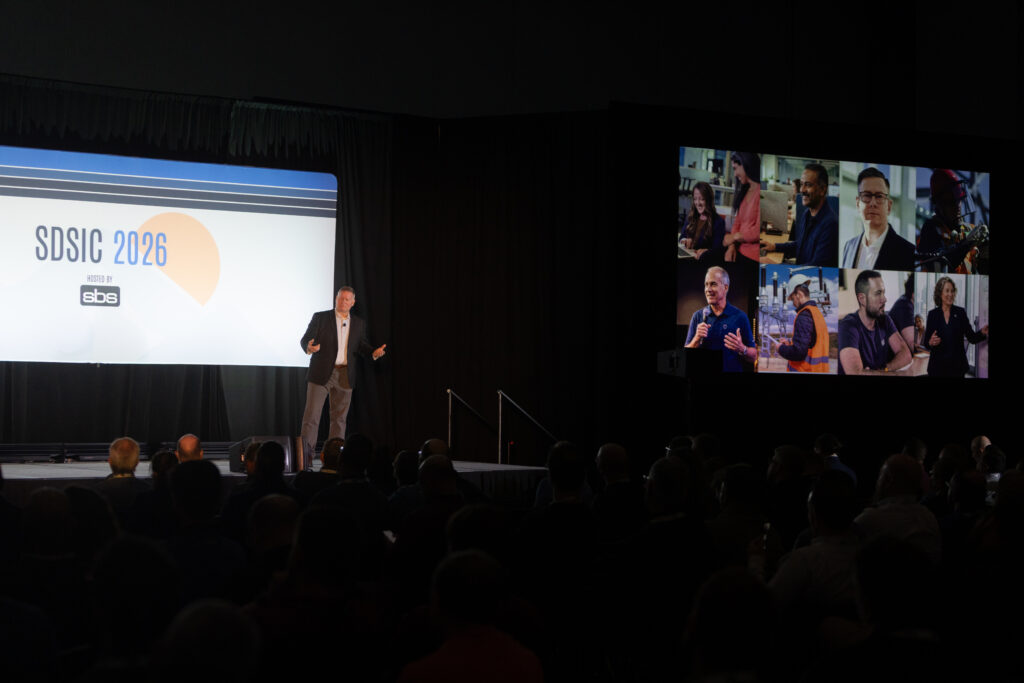
“A lot of people in this room and a lot of people outside this room are designing substations in 2D,” he said. “They’re all living in a silo, hoping for the best at the end when they go to construction.”
The presentation outlined SBS’s vision for a BIM-native substation design environment that supports real-time engineering workflows, connectivity-aware models, constructability validation, and collaboration between physical, civil, and protection and control teams.
The keynote also addressed the role of AI in utility engineering. Rather than replacing engineers, Eliasen described AI as a way to accelerate repetitive workflows, improve brownfield modeling, and automate documentation while keeping engineers firmly in control of the design process.
The presentation closed with a challenge to the industry: the scale of infrastructure work ahead will require new tools, new workflows, and a new level of collaboration across engineering organizations.
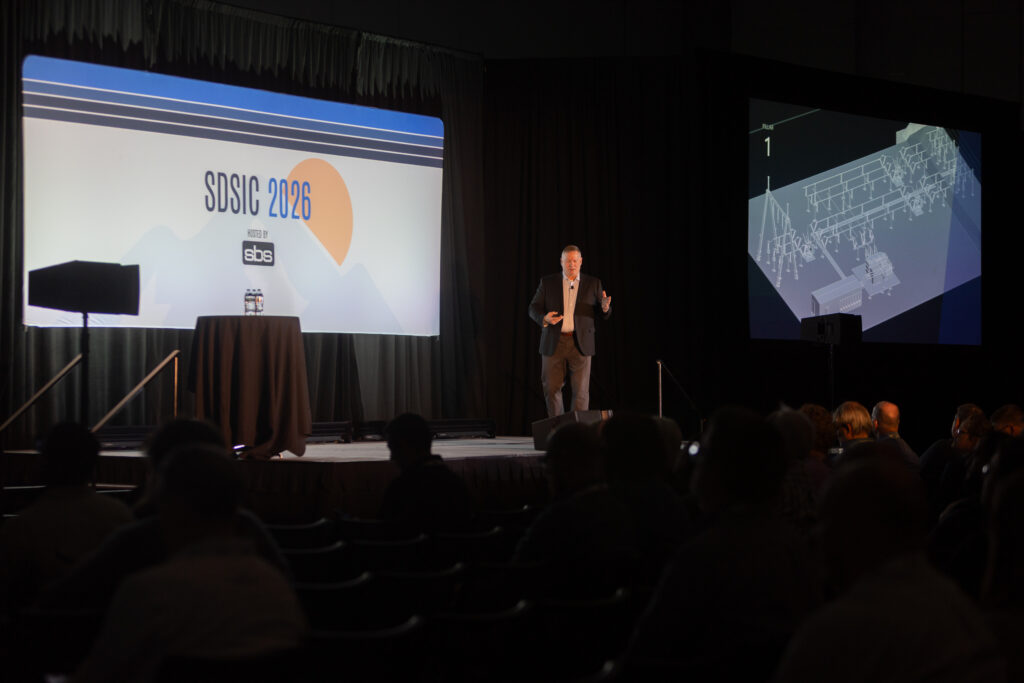
“What got us to here, as we look forward, is not going to get us to there.”
Watch the full SDSIC keynote from Al Eliasen here.